Quetzaltenango, also known as Xelajú or Xela, is Guatemala’s second-largest city. Located in the Sierra Madres at 2,333 meters above sea level, the city offers warm days, cool nights and a unique opportunity to experience everyday Guatemalan life.
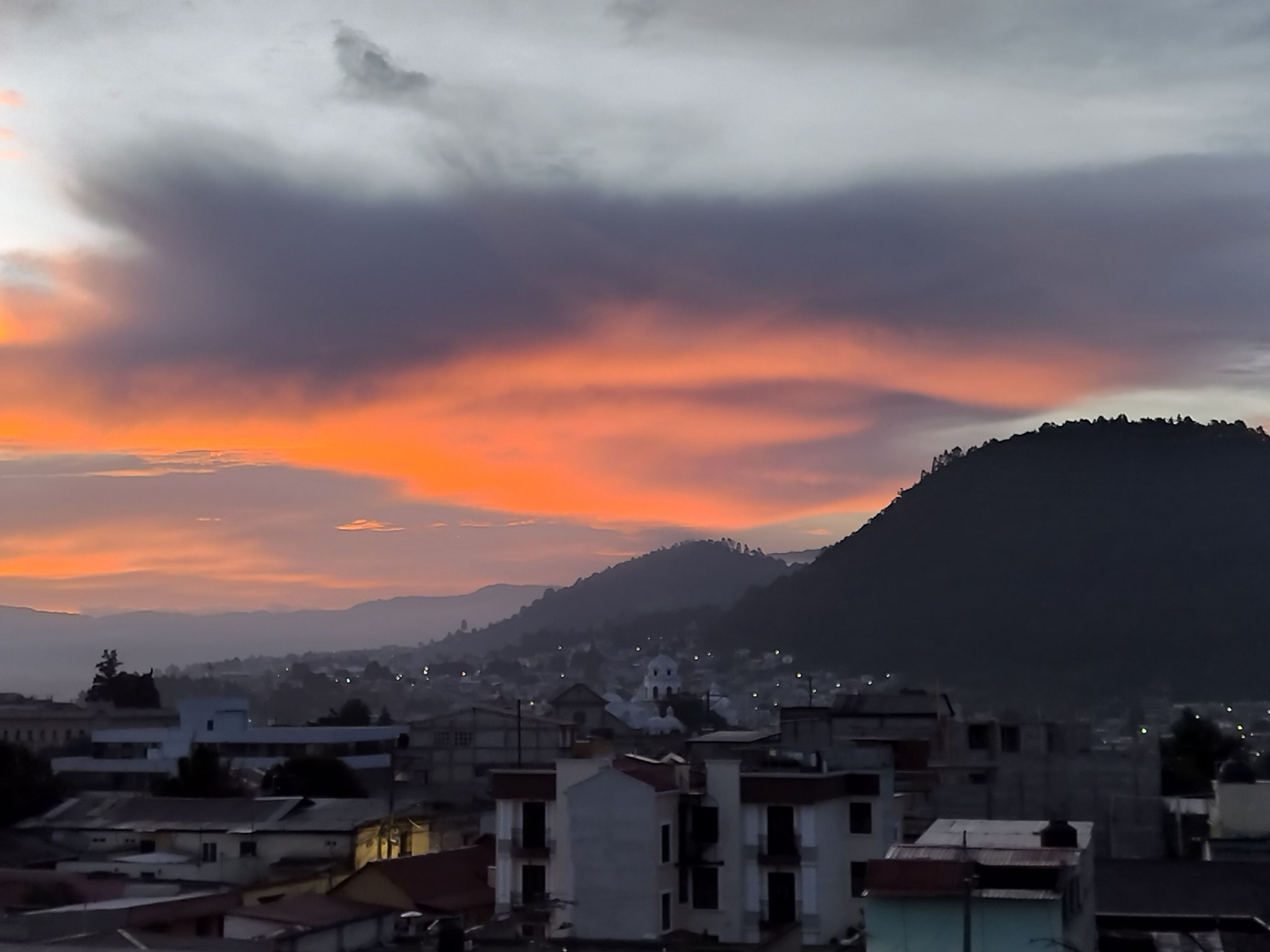
Quetzaltenango is situated about 200 kilometers west of Guatemala City, near several volcanoes in the heart of the Sierra Madres.
The name Xelajú originates from the indigenous name “Xe laju’ noj,” meaning “under 10 mountains.”
The city was officially founded by the Spanish on May 15, 1524. The name “Quetzaltenango” came from the Mexican indigenous Tlaxcaltecas who accompanied Pedro de Alvarado and the Spanish conquistadors during their invasion of the Guatemalan highlands.
The area soon became home to many small towns that formed the city now commonly known as Xelajú or Xela.
Unlike tourist centers such as Cuernavaca, Antigua and Quito, Quetzaltenango does not depend on tourism and does not have large concentrations of language students.
This gives students more opportunities to interact with local people and participate in everyday Guatemalan life.
With six universities and several technical schools, Xelajú is often considered Guatemala’s cultural center and one of its most progressive cities.
Around 35,000 students from throughout the country attend universities and high schools in the city, which has one of the highest concentrations of educational institutions per capita in Guatemala.
Quetzaltenango is home to many museums and theaters.
The old Court Building and city jail now serves as a Cultural Center, with exhibits covering local wildlife, Mayan history and the history of the marimba.
The Courthouse and many buildings surrounding Central Park preserve the colonial architectural style of the Spanish era.
The historic Teatro Municipal continues to host theatrical presentations, while other theaters and cultural centers offer art exhibitions, dance performances and conferences addressing indigenous issues and youth empowerment.
Discover the history, culture, traditions and everyday life of Xela while experiencing Guatemala from within its local communities.